
GPT-6.1 Sol Hands-On vs Opus 5.5: Does 1/5 the Price Buy You 80% of the Performance?
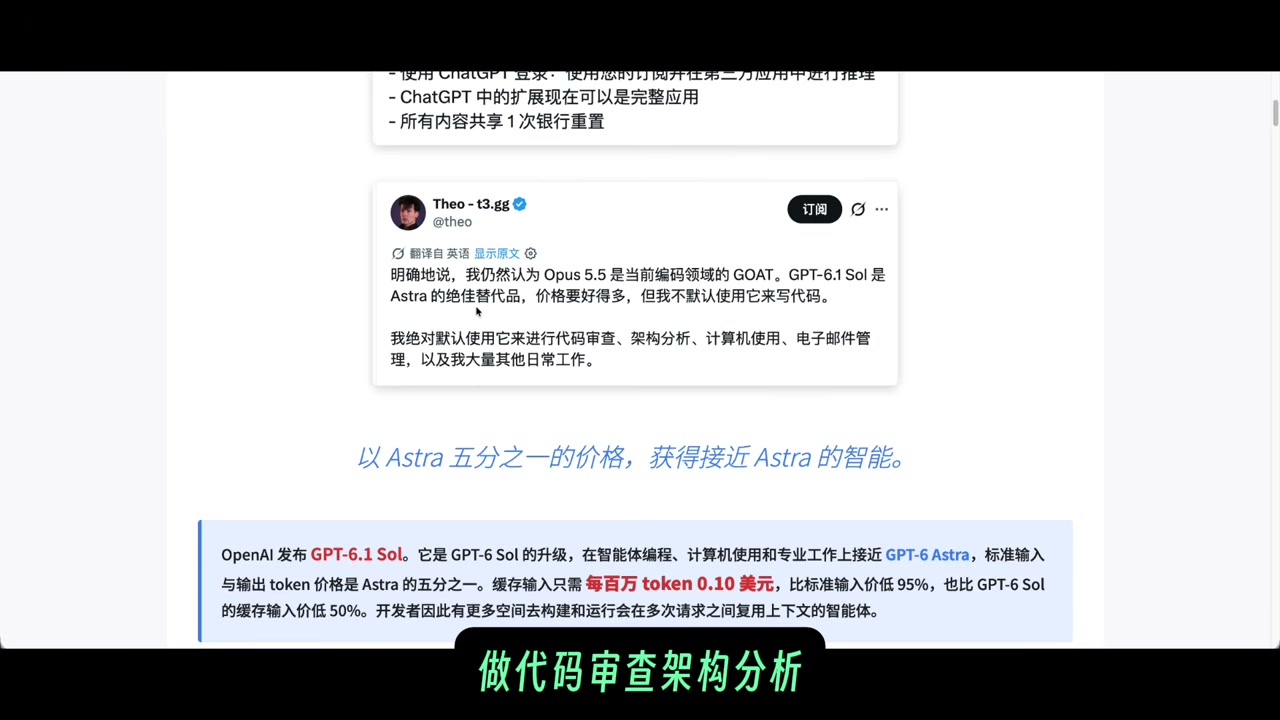
When OpenAI DevDay launched GPT-6.1 Sol, it shipped with a positioning line that the entire AI community spent a full week dissecting: Astra-tier intelligence at one-fifth the price. Cached input pricing drops to as low as $0.10 per million tokens — 95% cheaper than standard input, and half the cached price of the previous-generation GPT-6 Sol. The positioning points squarely at “high-volume, large-batch Agent / video / 3D workflows,” not single-turn conversations.
But cheap doesn’t mean capable. This article puts GPT-6.1 Sol and Claude Opus 5.5 head-to-head across seven representative creative tasks: a 3D ancient-style scene, geometric morphing, a 500-word creative piece, a tuk-tuk ad short, architectural restoration, a Lego brick model, and a Mac Studio explainer video — capped off by a 2-hour 38-minute Unity game called “Piggy Park.” Every task is evaluated across three dimensions: output visuals, generation fidelity, and token consumption. A side-by-side scorecard closes it out.
I. Pricing and Benchmarks: 1/5 the Price, 52 Points of Intelligence
First, the math:
| Dimension | GPT-6.1 Sol | GPT-6 Astra | Claude Opus 5.5 |
|---|---|---|---|
| Cached input price (per million tokens) | $0.10 | $0.50 (est.) | ~$0.50 |
| Relative to Astra | 1/5 | 1× | ≈ 1× |
| AI leaderboard score | 52 | 53 | 55 |
| TerminalBench 4.0 (HIGH reasoning) | Leads Opus 5.5 | — | — |
52 points is only 1 point behind Astra and still below Sonnet 5.5; but on TerminalBench 4.0 in HIGH reasoning mode, it overtakes Opus 5.5. That means for “professional coding / terminal ops” — the most expensive task category — Sol delivers a higher score at lower cost.
On positioning, heavy users converge on the same verdict: Sol fits large-scale, repetitive, token-hungry work — code review, architecture analysis, computer use, email management, routine batch jobs. Swapping Opus 5.5 for Sol in these scenarios effectively slashes cost to 20%.
But cheap models usually mean weaker long-form generation — a pattern that recurs across the seven tasks below.
II. 3D Ancient-Style Scene: Tone on Point, Signboards Missing
The first test is a 3D recreation of “Along the River During the Qingming Festival.” GPT-6.1 Sol nails the overall palette — the tile-roofed houses flanking the river, the arch bridge, the docks, the distant city wall, all the atmosphere is dialed in.
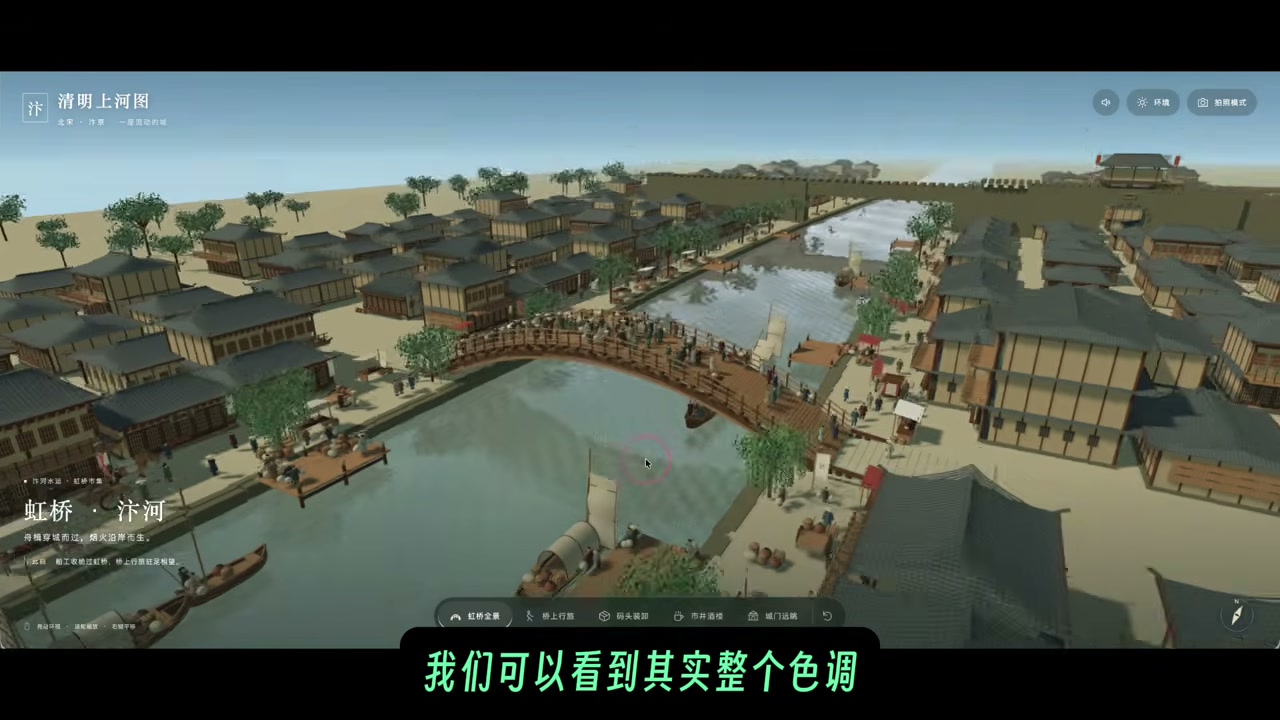
Zoom in, though, and the gaps show: the shops along the bank have no signboards; pedestrians, sedan chairs, donkeys and horses appear on the bridge, but the original painting’s dense layers of vendors, banners, and carts are missing. Against Opus 5.5’s output on the same task, Sol falls short overall; but compared to the previous-generation GPT-6 Sol, this is a clear leap up — the structure is solid, the texture is right, the missing piece is detail.
III. 3D Geometric Morphing: A 12-Segment Snake, One Shot
The second task shifts to abstract geometry: morph between “sphere — snake — scorpion — fish — heart — five-pointed star” across 12 segments, 24 faces each, 23 joints total.
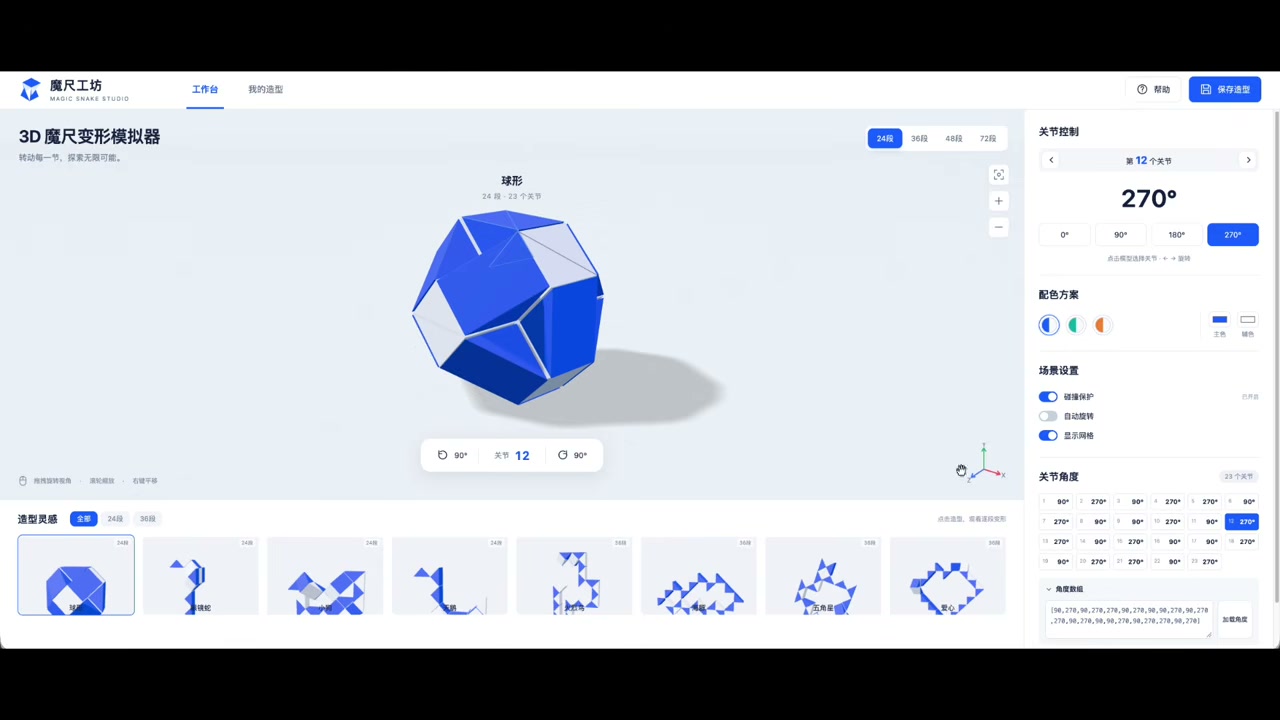
GPT-6.1 Sol hits near-100% completion on this task: sphere to snake, joint twisting is correct; the scorpion’s stinger, the fish’s curve, the heart’s symmetry, the star’s points — the topology checks out on every shape. A continuous morph like this would normally require manual keyframing in traditional 3D tools; Sol ships a finished piece from a single prompt. Algorithm and inference capability are genuinely solid.
IV. Creative Writing: The Widest Gap
Next, a 500-word inner monologue: three messages arrive simultaneously (a hospital follow-up appointment, a landlord raising the rent, an ex-girlfriend’s birthday), and the prompt asks for the inner turbulence in under 500 words.
GPT-6.1 Sol’s output is noticeably weaker than Claude Opus 5.5 in prose, rhetoric, and rhythm — this is the most pronounced gap in the entire test. Sol’s writing on this kind of “literary” task reads more like a bulleted list, missing the delicate negative space and emotional layering that Opus 5.5 delivers.
If your workflow includes long-form copy / ad scripts / short fiction, the most sensible split is: hand writing to Claude, leave Sol for rendering and modeling.
V. Tuk-Tuk Ad Short: 6.1 Sol’s Comfort Zone
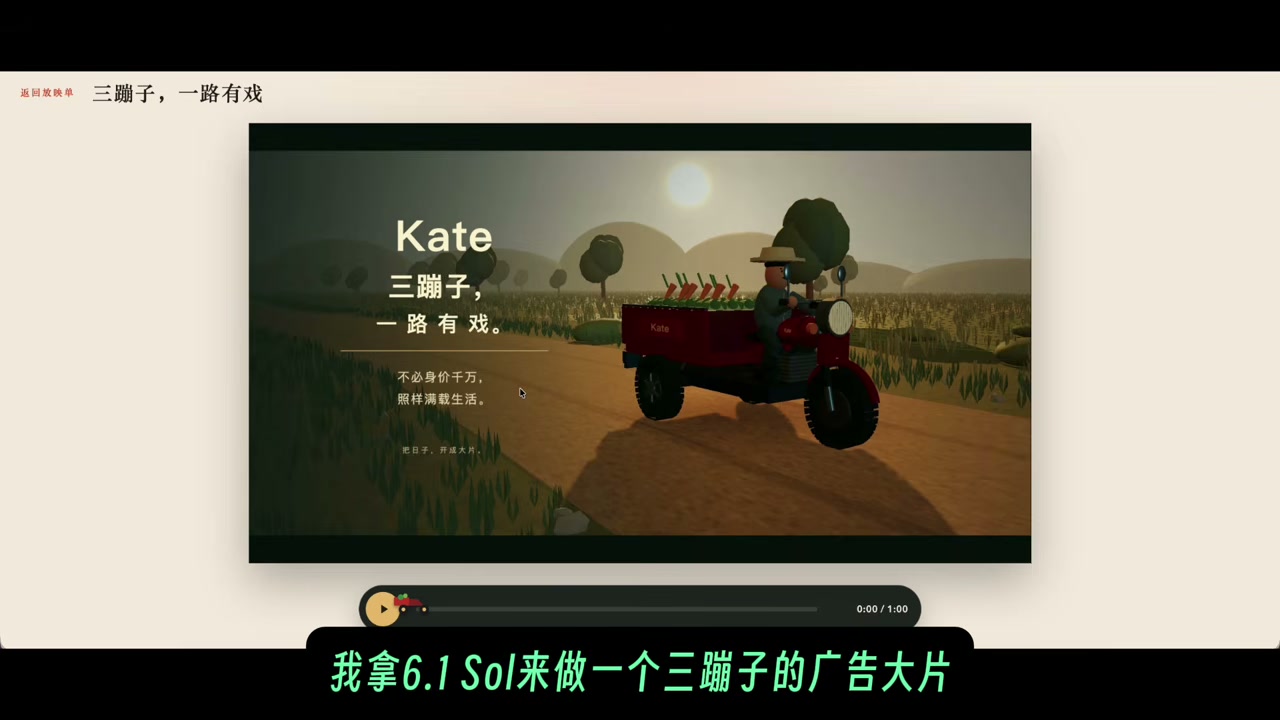
Next, a relatively complete “ad blockbuster” test: GPT-6.1 Sol produces a rural ad short for a three-wheeled motorbike (a local tuk-tuk variant) — title “Tuk-Tuk, All the Drama on the Road,” paired with the line “You don’t need to be a millionaire to cruise through the simple life.”
The standout points from the test:
- The tuk-tuk shape is on point — red body, open top, straw-hat driver all in place;
- Vehicle bouncing is well done — the ride has real suspension feel;
- The chickens along the road are cute, feathers and pose look natural;
- Camera moves are sensible, with appropriate far/near switches.
The issues are also obvious: the cargo in the back of the cart is unidentifiable — a recurring Sol problem when generating small dense objects, where texture details blur out. Compared to Opus 5.5 on the same task, Opus delivers stronger overall image quality; Sol “falls short of Opus 5.5” — but is already at a directly-usable ad-spot level.
VI. Architectural Restoration: The Central Tree Steals the Show
Three architectural reference images go in; the model restores them as a full video walkthrough — a stress test for “spatial understanding + long-sequence modeling.”
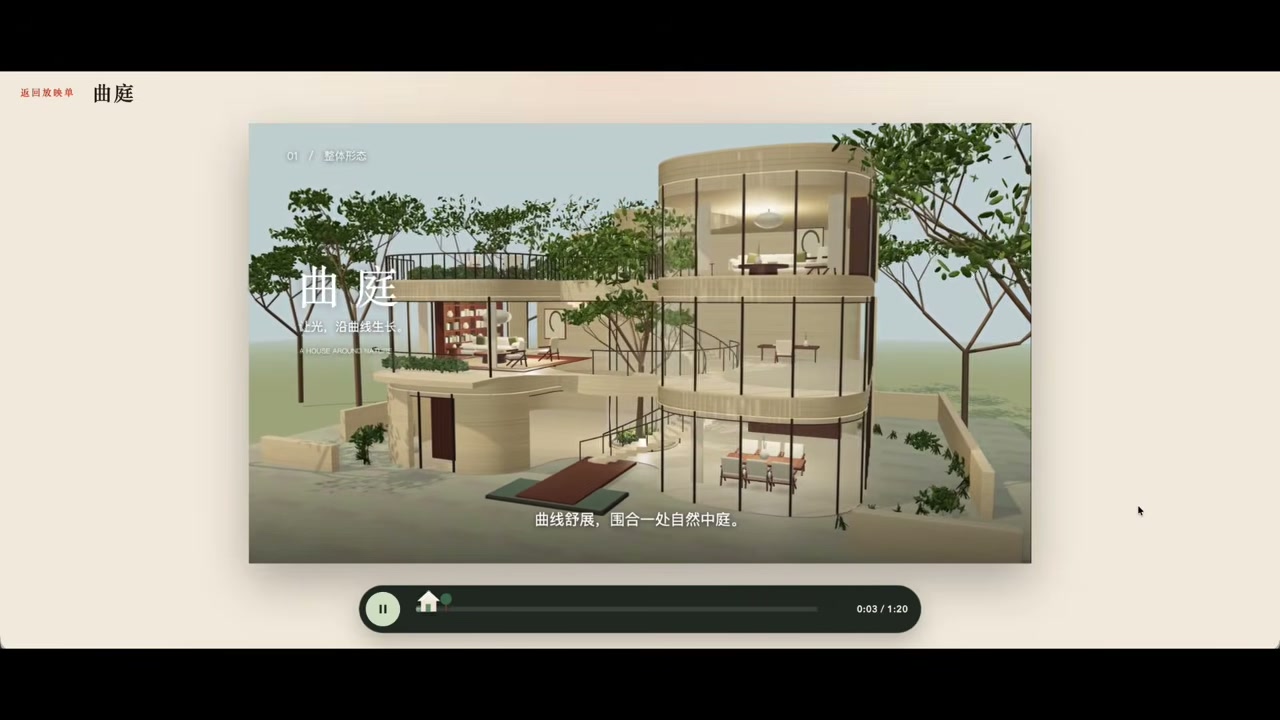
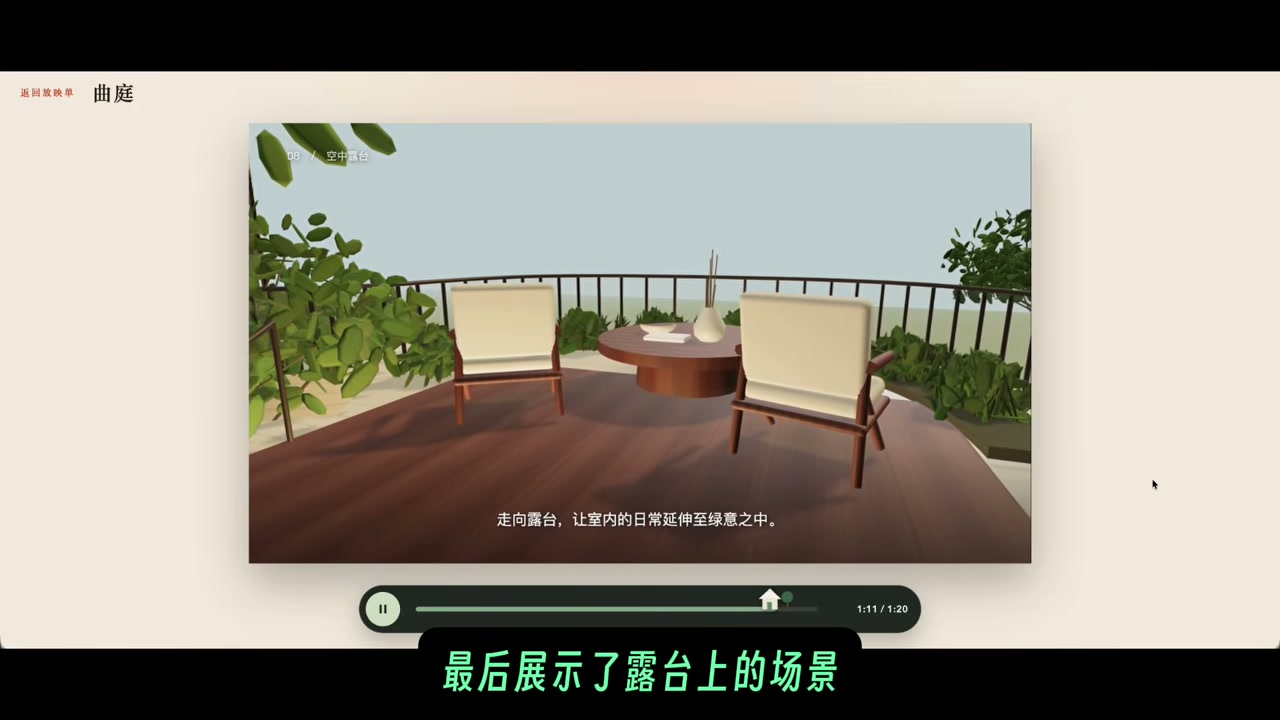
GPT-6.1 Sol delivers a curved multi-story villa whose hero element is a central tree rising from the ground floor — meshing “natural growth” with “architectural atrium” into a single gesture. Spatial sense, textures, and lighting are all solid; floor-to-ceiling windows, wood floors, and terrace chairs are clearly distinguishable.
But Opus 5.5 is more refined on the same brief — the glass dome wrapping the tree is handled more stably, interior material textures are finer, and the walkthrough covers observable plants on the terrace (like foxtail grass), the dining room, the bedroom, and the bathtub in full detail.
Given the several-fold price gap, Sol’s architectural output counts as “above expectations.” For a client-facing architectural video, Opus 5.5 is the safer pick; for an internal concept demo, Sol is unbeatable on cost.
VIII. Lego Brick House Build: 1,037 Pieces vs 2,153 Pieces
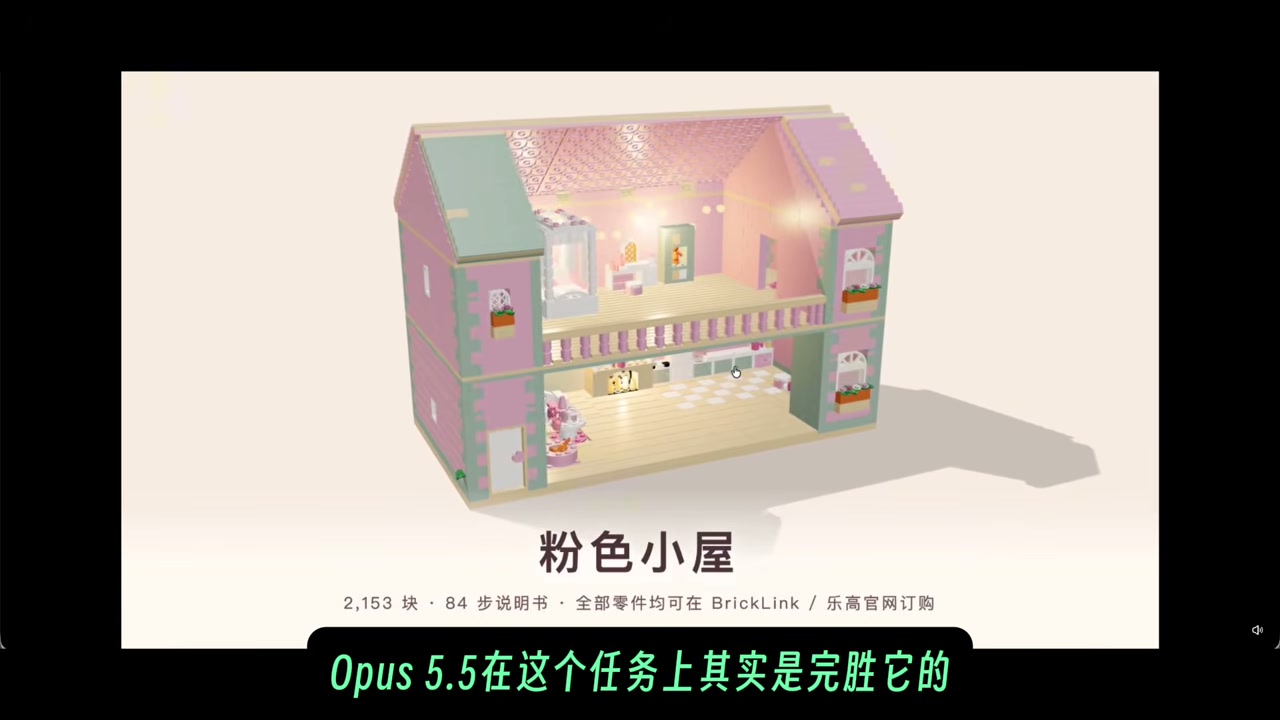
A Grok-generated image goes in; the prompt asks GPT-6.1 Sol to produce “a complete Lego / BrickLink-sourced build guide for a brick house.”
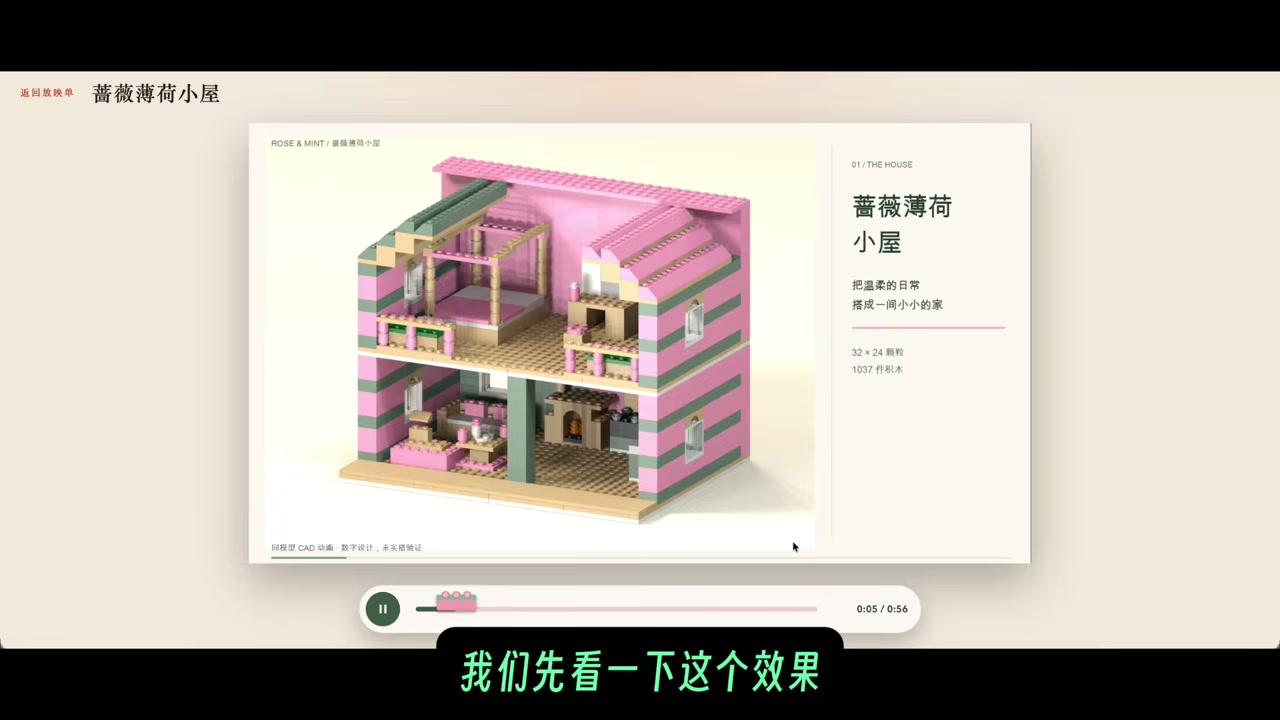
GPT-6.1 Sol outputs a 32×24-stud, 1,037-piece “Rose Mint Cottage” — pink and mint-green striped walls, with two interior floors, kitchen, dining room, and bedroom. Every piece has a purchase link, what you see is what you get.
Opus 5.5, on the same task, outputs an 84-step instruction booklet, 2,153-piece “Pink House” — larger scale, richer interactive details (a small bed, a vanity mirror, an articulated teddy bear), and a more readable instruction manual (though the “installed / not installed” highlight logic isn’t very intuitive).
This task is a clean win for Opus 5.5 — across scale, playability, and build-guide usability. For Lego’s particular combo of “dense, rule-based, enumerable” tasks, Opus 5.5 still holds a clear edge.
IX. Mac Studio Explainer and Short Film: 6.1 Sol is Too Text-Heavy, Opus Has Color Drift
GPT-6.1 Sol is asked to produce a Mac Studio explainer short — covering ports, specs, and display connection methods.
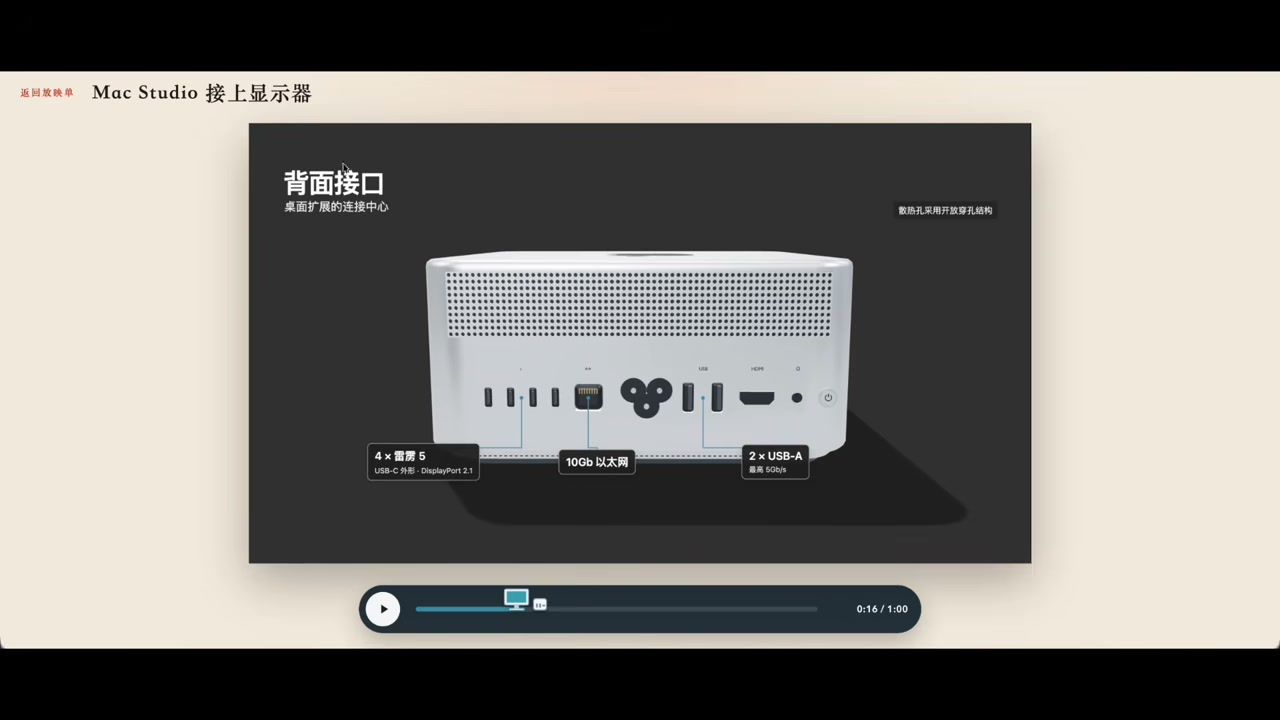
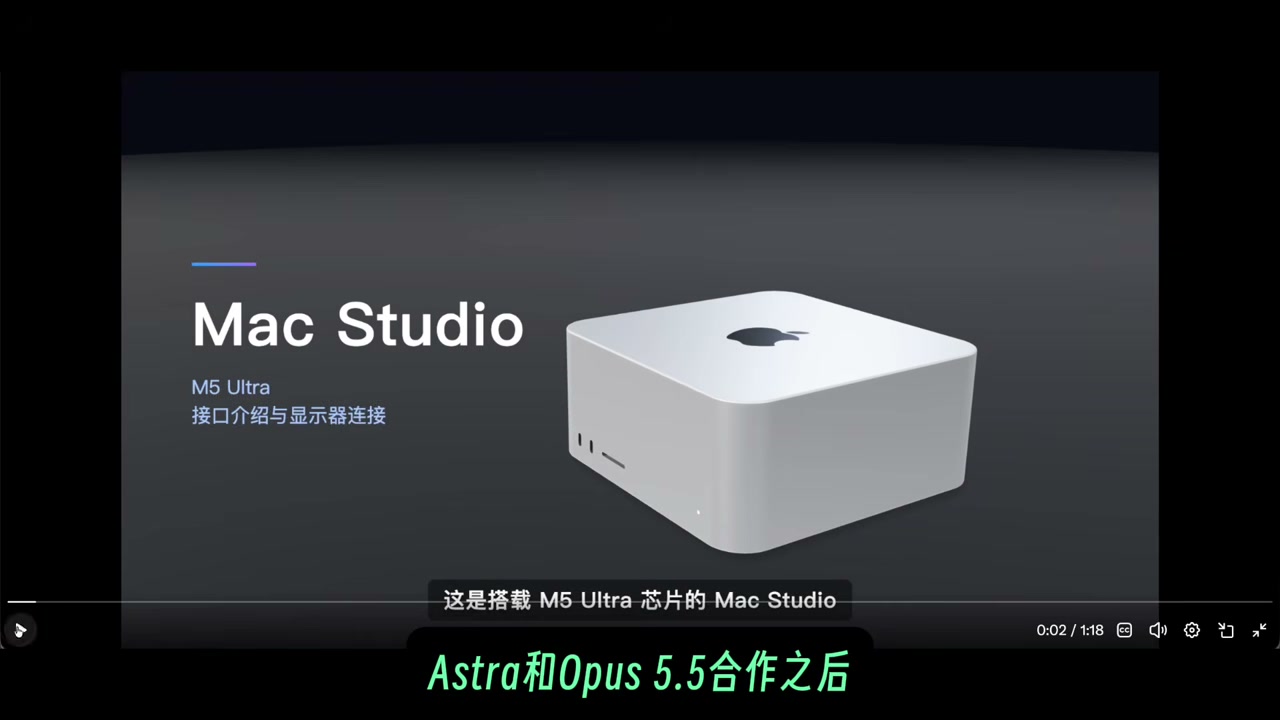
GPT-6.1 Sol’s output has several obvious problems:
- Too much on-screen text, leaning toward a PPT-style “page 1, page 2” flow that feels heavy to read;
- Style isn’t refined enough, the initial version’s back-panel color is too bright, text isn’t crisp;
- It takes several iterations to reach a “barely usable” baseline.
Opus 5.5’s main issue on the same task is the Mac Studio’s color drifts from the official product (the entire palette shifts), and the color stays off even after several iterations; cable presentation is also less precise than Sol’s.
The final approach was to bring Astra in to fix the image and cables — a Sol + Opus 5.5 + Astra three-model collaboration that finally produced a workable one-minute short. Each model has its strengths, and any single model still has clear blind spots when tackling “tech product introduction” end-to-end.
X. Literary Short Film Modeling: Sol’s Comeback vs Opus
A literary short written by Astral (a story about a kettle tripping a breaker, a hospital follow-up, a landlord raising the rent, and an ex-girlfriend’s birthday) is handed to GPT-6.1 Sol, which is told to model first, then render it into a final video.
On this task, Sol actually outperforms Opus 5.5 — scene modeling, character motion, and lighting atmosphere all feel more natural. This is the only long-form task where Sol clearly beats Opus 5.5.
One possible explanation: Sol has been specifically optimized for multimodal joint generation tasks like “text-to-3D-scene” — exactly the kind of task where Sol’s price advantage should shine.
XI. The Finale: Unity Piggy Park, a Complete Game in 2 Hours 38 Minutes
The last test is the real headline — GPT-6.1 Sol is asked to build a Unity game called “Piggy Park · Doze Bay” in 2 hours 38 minutes.
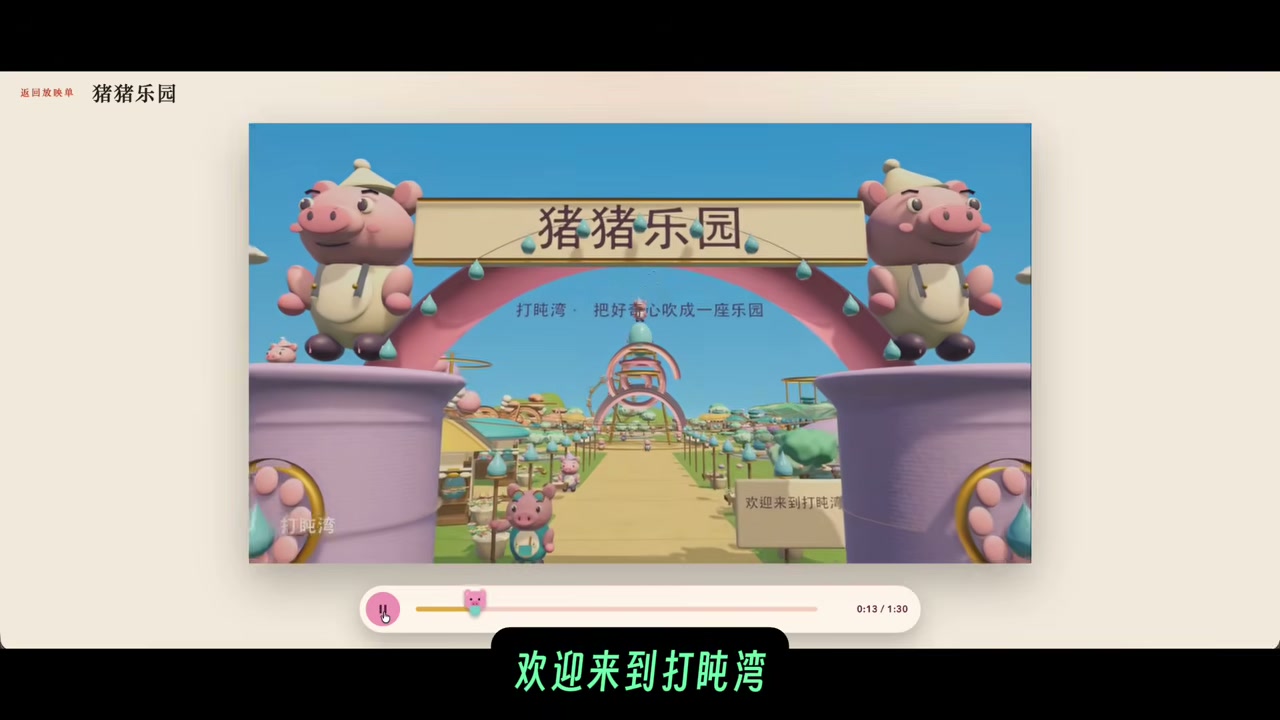
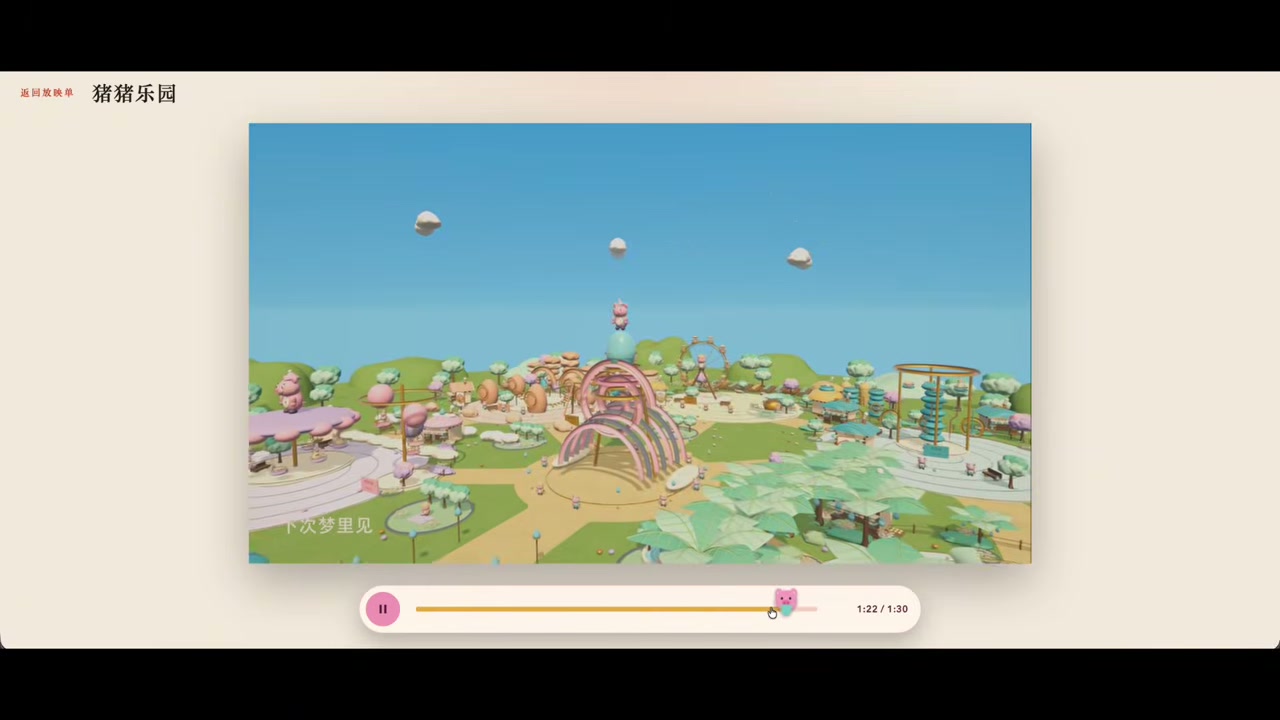
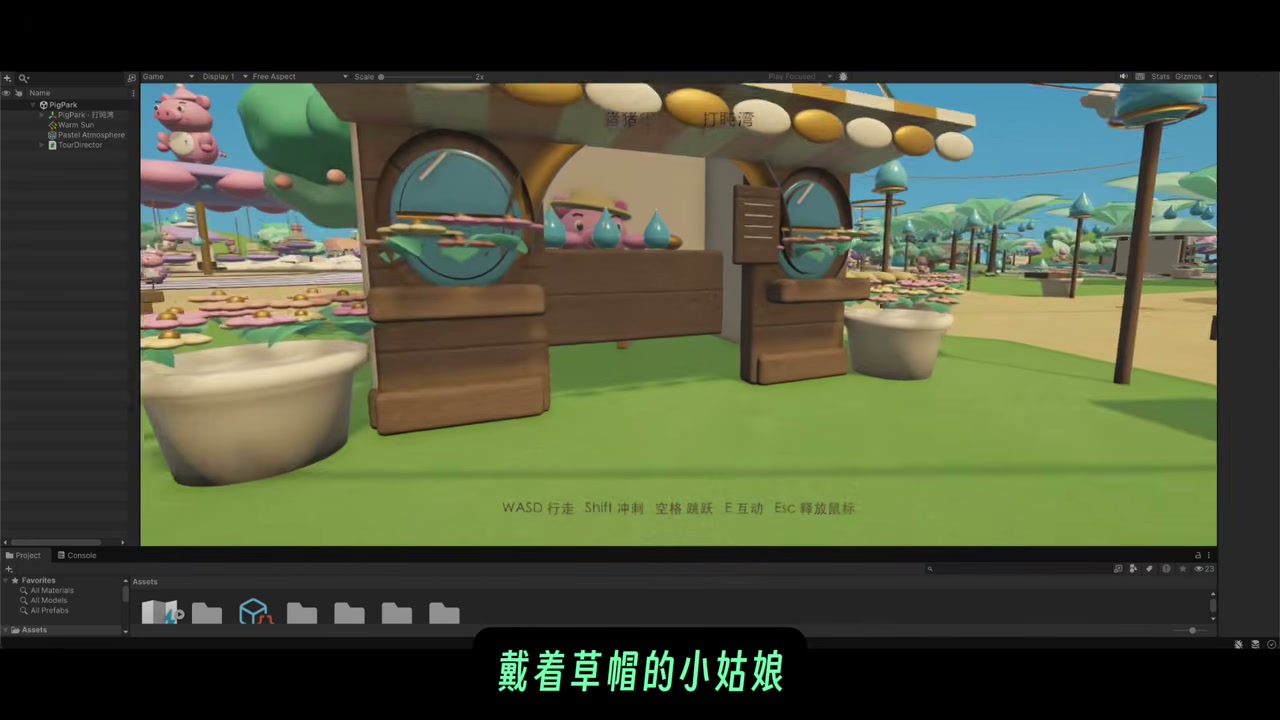
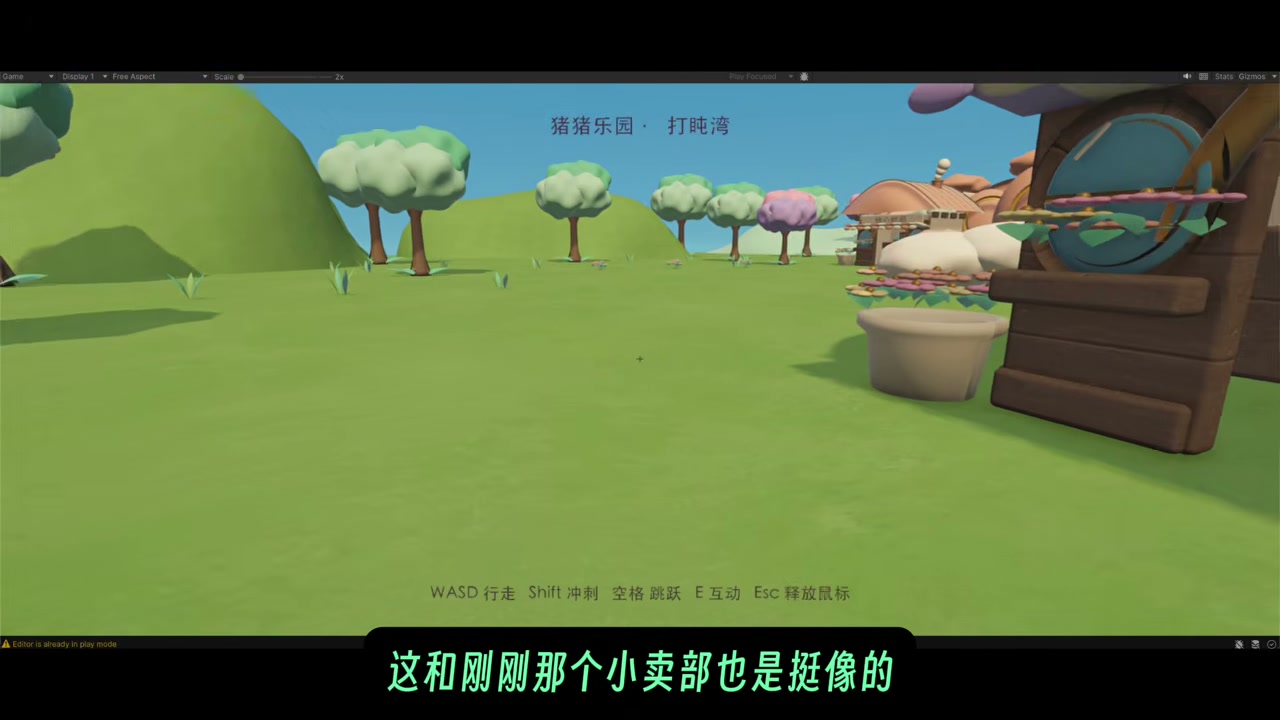
Sol delivered an above-expectations answer on this task:
- The entrance has two pig mascot statues + an archway + a colorful “Piggy Park · Doze Bay” signboard, atmosphere dialed in;
- The aerial shot reveals the full park layout — arched flower gates, bread ovens, a carousel, a roller coaster, a Ferris wheel, paddle boats all present;
- The roller coaster reads well, no obvious track-structure errors;
- Lots of detail — a straw-hatted little-girl pig NPC, the Earth-Post Office, the Wheat-Field Slope, the Bellows Repair Shop, the Dewdrop Sprite, the Harvest Turntable, a swing set (slightly disconnected);
- The pigs blink, a fairly nuanced piece of Unity rendering;
- Plants and the arched boat — each little boat trails a leaf, a cute touch;
- The whole project has clean Scene / Material / Prefab layering and a tidy Assets structure.
There are some standard Unity ailments: the swing set is disconnected from its poles (the join breaks the mesh), some static props repeat (pigs across different shops look identical), rooftop greenery is a bit sparse. But shipping a playable, interactive Unity theme park in 2 hours 38 minutes delivers value that dwarfs the cost for an indie developer.
XII. Side-by-Side Comparison Across the Seven Tasks
| Task | GPT-6.1 Sol | Opus 5.5 | Verdict |
|---|---|---|---|
| 3D ancient-style scene | Tone on point, signboards missing | More refined | Opus slight edge |
| 3D geometric morphing | 100% completion | Equivalent | Tie |
| 500-word creative writing | Reads like a bulleted list | Delicate prose | Opus clear win |
| Tuk-tuk ad | Cute shape, cargo blurred | Stronger overall | Opus slight edge |
| Architectural restoration | Central tree steals the show | Glass dome more stable | Opus slight edge |
| Lego brick build | 1,037 pieces, purchasable | 2,153 pieces, more playable | Opus clean win |
| Mac Studio explainer | Too much text | Color drift | Mutual weaknesses |
| Literary short film modeling | Scene feels natural | Weaker | Sol comeback |
| Unity Piggy Park | 2h 38m, completed | Not tested | Sol solo |
Overall verdict: GPT-6.1 Sol delivers 80% of Opus 5.5’s capability on rendering / multimodal joint / long-sequence modeling tasks; but on pure long-form writing, replayable interactive design, and dense detail generation, Opus 5.5 retains advantages no other model can replace.
XIII. The Smart Way to Use It
If you only look at price, GPT-6.1 Sol is one of the most interesting models of 2026; but to actually put it to work, the key is splitting models by task type:
- Long-form copy, literary writing, conversational drafting → Claude Opus 5.5 / Sonnet 5.5;
- 3D modeling, architectural walkthroughs, Unity engineering, ad-short rendering → GPT-6.1 Sol;
- Code review, architecture analysis, terminal ops, batch jobs → GPT-6.1 Sol (HIGH reasoning mode);
- Hybrid tasks (script + short, copy + design) split models to collaborate → Astra writes the script, Sol renders, Opus 5.5 refines;
- Tech product intros like Mac Studio — no single model gets it fully right yet; you need Sol + Opus 5.5 + Astra in a three-model relay.
Back to the opening line — “Astra-tier intelligence at one-fifth the price.” That holds up as of late September 2026, but “close to” is not “equal to.” The 80% you save should fund more generation runs and longer iteration loops, not chasing Opus 5.5’s single-shot ceiling.
If you’re interested in the full 3D / video generation workflow, this piece on how large models actually work under the hood is worth a read; for a broader view of the AI industry, check out the AI Daily series. And if you’re focused on the Agent toolchain and token-saving practices, this earlier Codex half-year update roundup is also worth your time.